Bhiwani

Festivals

Festivals

Gangore

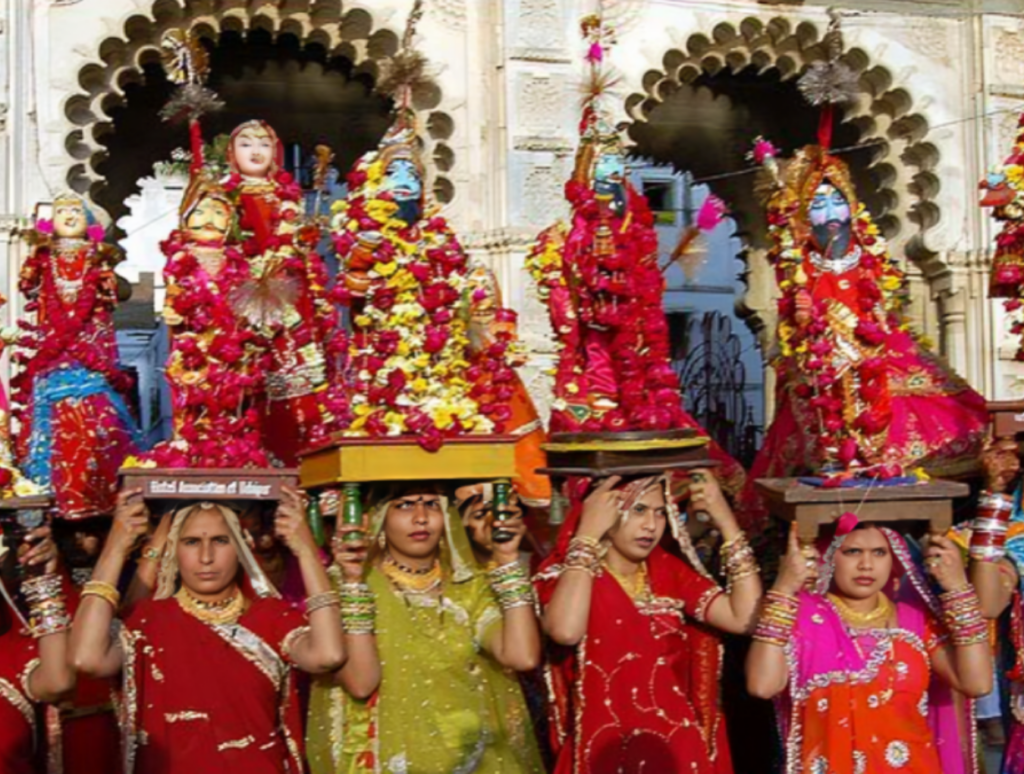
🌸 Overview Gangore (Gangaur) Festival is a traditional Hindu festival celebrated with devotion and cultural enthusiasm in Bhiwani. It usually falls in the month of March–April, shortly after Holi, and continues for about 16–18 days. The festival is mainly observed by women and is dedicated to Goddess Gauri (Parvati), symbolizing marital happiness and prosperity. 🙏 Religious Significance Gangore honors Goddess Parvati (Gauri) and her divine union with Lord Shiva. The rituals represent devotion, purity, and strong marital bonds. 🎉 Celebrations in Bhiwani In Bhiwani and nearby rural areas: In villages, community gatherings and small fairs (melas) are sometimes organized, creating a festive environment. 🌼 Cultural Traditions Gangore strengthens family ties and preserves traditional Haryanvi customs. 🍽️ Special Food During Gangore Homes in Bhiwani prepare festive foods such as: Food is offered to the Goddess and later shared among family members. 🌟 Social & Cultural Importance Gangore in Bhiwani represents: The festival beautifully reflects Haryana’s rich heritage and the deep spiritual faith of its people.
Festivals

Teej / Hariyali Teej

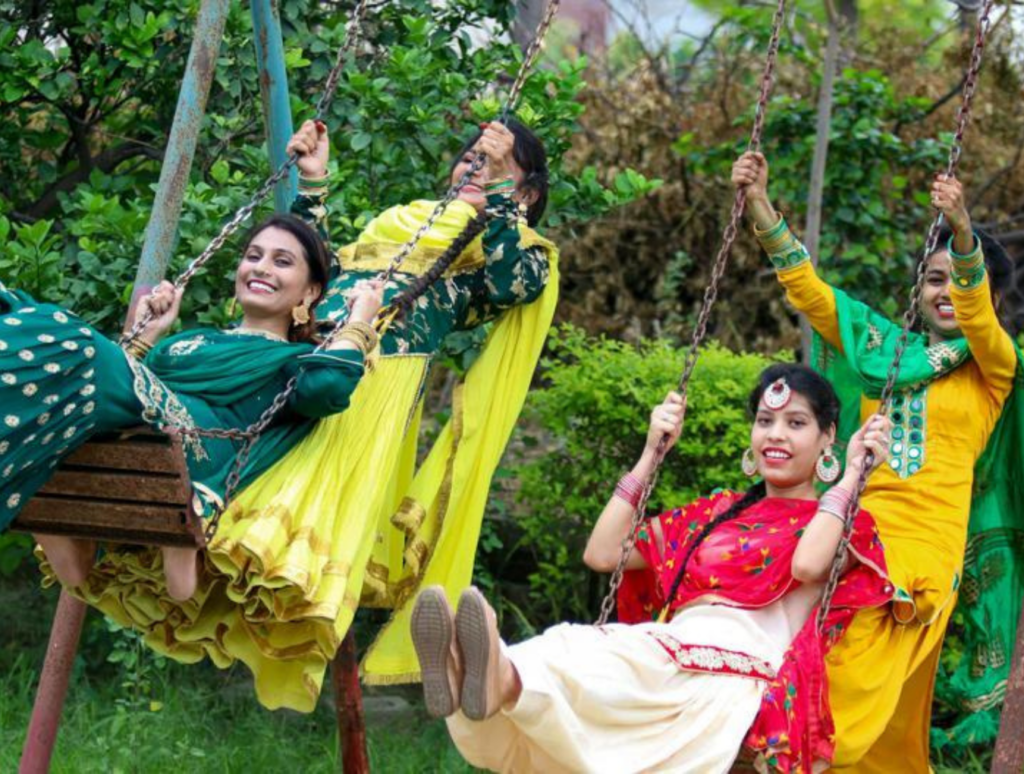
🌧️ Overview Teej, popularly known as Hariyali Teej, is one of the most colorful and joyful festivals celebrated in Bhiwani during the monsoon season (July–August). The word Hariyali means greenery, symbolizing nature’s freshness and prosperity during the rainy season. The festival is mainly celebrated by women with great enthusiasm. 🙏 Religious Significance Hariyali Teej is dedicated to Goddess Parvati and Lord Shiva. Women visit temples, offer prayers, and perform traditional rituals with devotion. 🎉 Celebrations in Bhiwani In Bhiwani city and nearby villages: Local authorities and community groups sometimes organize Teej Melas (fairs) with cultural programs, competitions, and food stalls. 🌸 Cultural Traditions The festival strengthens family bonds and celebrates womanhood and marital harmony. 🍽️ Special Food During Teej Homes in Bhiwani prepare festive dishes such as: Families gather together, share meals, and enjoy the joyful atmosphere. 🌿 Social & Cultural Importance Hariyali Teej in Bhiwani represents: The festival beautifully reflects Haryana’s rural traditions combined with modern celebrations in the city.

Festivals

Baisakhi

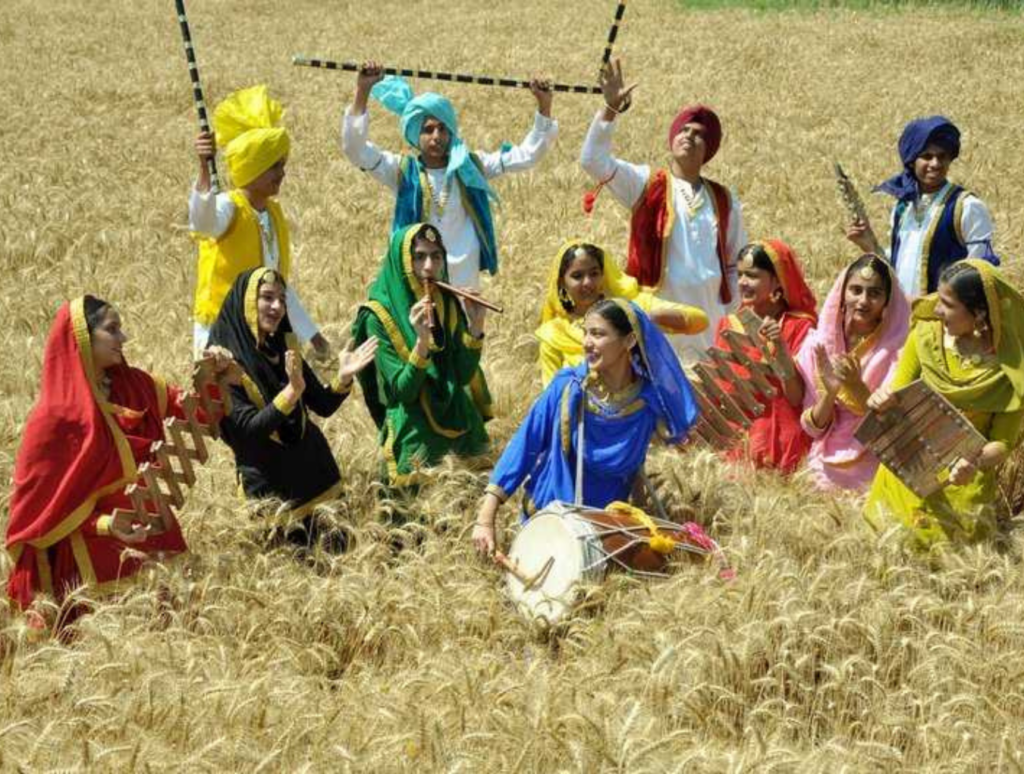
🌟 Overview Baisakhi is an important harvest festival celebrated every year on 13th or 14th April in Bhiwani and across Haryana. It marks the beginning of the harvest season of Rabi crops, especially wheat, which is a major crop in the region. The festival symbolizes prosperity, gratitude, and new beginnings for farmers and families. 🌾 Agricultural Significance Bhiwani is known for its strong agricultural background, and Baisakhi holds special importance for farmers. For rural communities, Baisakhi is both a cultural and economic celebration. 🙏 Religious Importance Baisakhi also holds great religious significance, especially for the Sikh community. In Bhiwani, people of different communities celebrate together, reflecting harmony and unity. 🥁 Celebrations in Bhiwani The festival atmosphere is cheerful, energetic, and filled with gratitude. 🍽️ Special Food During Baisakhi On Baisakhi, families prepare delicious traditional dishes such as: Food is shared among family members and guests, strengthening social bonds. 🌼 Social & Cultural Importance Baisakhi in Bhiwani represents: The festival beautifully reflects Haryana’s agricultural pride and cultural richness.

Festivals

Lohri

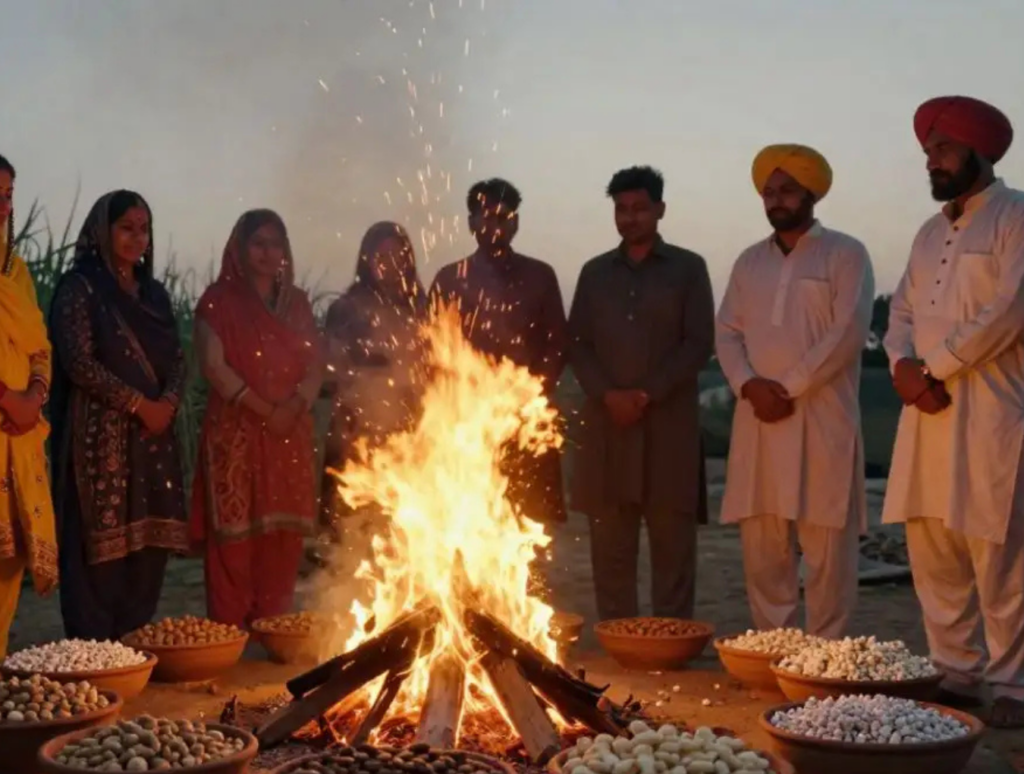
🌾 Overview Lohri is one of the most important winter harvest festivals celebrated with great enthusiasm in Bhiwani. It is observed every year on 13th January, marking the end of peak winter and welcoming longer days. The festival holds special significance for farming families, as it celebrates the harvest of crops like sugarcane and wheat. 🔥 Bonfire Ritual (Main Celebration) The highlight of Lohri is the large bonfire lit in the evening. The bonfire symbolizes warmth, unity, and gratitude for nature’s blessings. 🥁 Cultural Traditions in Bhiwani In Bhiwani’s villages and city neighborhoods: Lohri is especially celebrated with extra joy in families where a newborn baby or newly married couple is present, as it is considered very auspicious. 🍽️ Special Lohri Foods Traditional foods prepared during Lohri in Bhiwani include: Families sit together around the bonfire, share these foods, and enjoy the festive evening. 🌟 Social & Cultural Importance Lohri in Bhiwani represents: The festival beautifully reflects Haryana’s rich agricultural traditions and strong family values.

Festivals

Holi (Dulandi Holi)

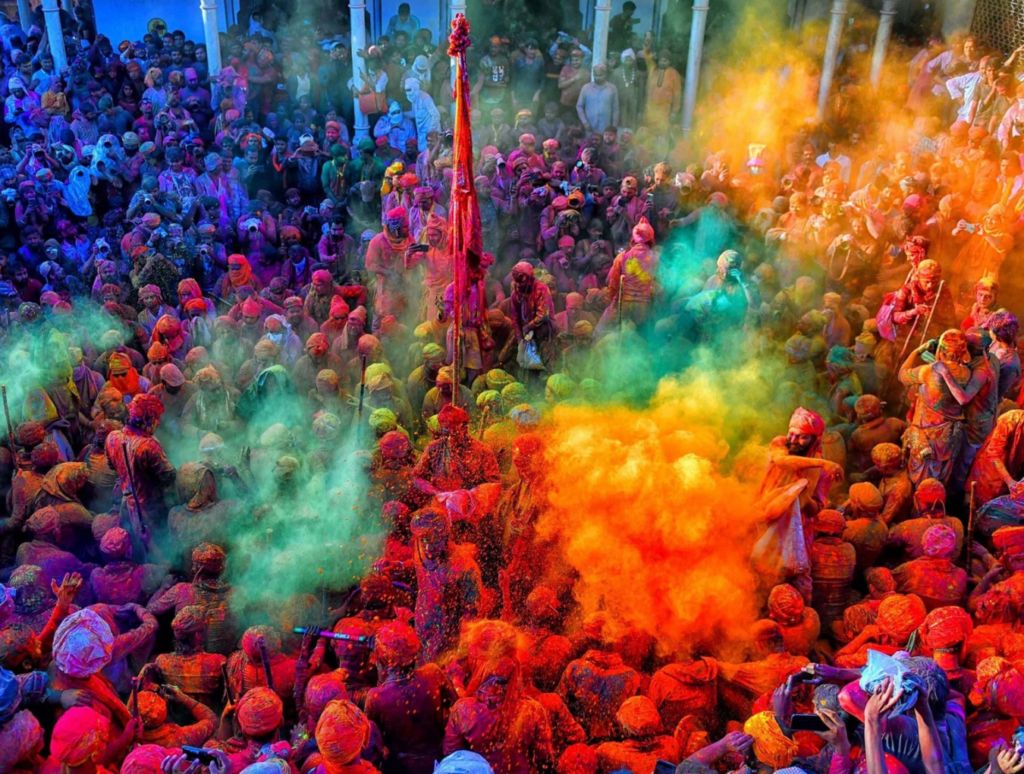
🌸 Overview Holi, locally known as Dulandi Holi, is one of the most vibrant and widely celebrated festivals in Bhiwani. It marks the arrival of spring and the victory of good over evil. The festival usually falls in March, on the full moon day (Purnima) of the Hindu month of Phalguna. 🔥 Day 1 – Holika Dahan The celebrations begin with Holika Dahan on the night before Dulandi. Families also prepare traditional sweets and offer grains to the sacred fire. 🌈 Day 2 – Dulandi (Festival of Colors) The next morning is the main celebration known as Dulandi Holi. In many villages around Bhiwani, Holi celebrations continue for several days with singing competitions and community feasts. 🥁 Cultural Traditions in Bhiwani Holi in Bhiwani reflects strong rural traditions mixed with modern celebration styles in the city area. 🍽️ Special Food During Holi During Holi, homes in Bhiwani prepare festive dishes such as: Families visit relatives, exchange sweets, and celebrate together. 🎭 Social Importance Holi in Bhiwani is more than just a festival of colors—it promotes: It brings together people from all communities, making it one of the most joyful and socially important festivals in the region.

Listings
News
Home
Jobs
Contact