Bhiwani

Prime News

Prime News

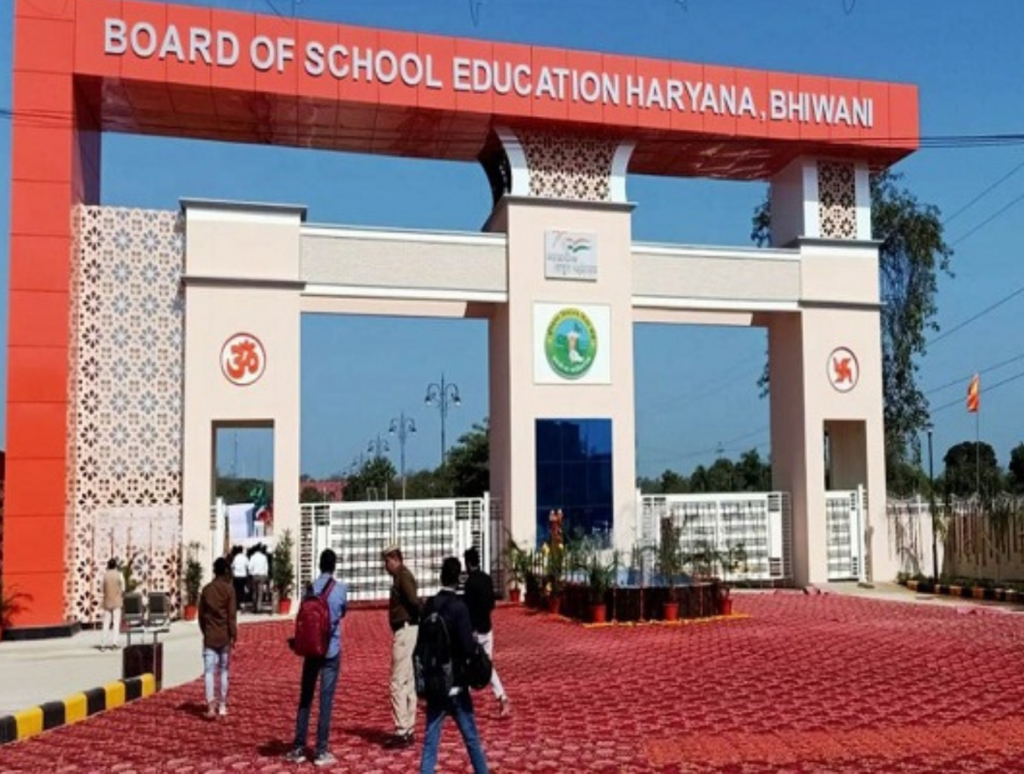
High‑tech data centre approval in Bhiwani

The Haryana Board of School Education (HBSE) in Bhiwani has received approval to build a Stage-3 high-tech data centre, a major digital infrastructure project expected to strengthen exam management, data security, and online services across the state. Below are the complete details explained in simple and clear terms. 📍 Project overview 💻 What is a Stage-3 data centre? A Stage-3 (Tier-III) data centre is a high-reliability digital facility that provides: Such centres are typically used for critical government operations and large-scale digital services. 🎯 Main objectives of the Bhiwani data centre 1) Improve exam operations 2) Faster results 3) Secure data storage 4) Cybersecurity protection 5) Digital services platform 🏛️ Why this project is important for Bhiwani 📊 Long-term impact This project is expected to bring major changes: 🧾 Official statement HBSE Chairman Dr. Pawan Kumar Sharma stated that once completed, the centre will make the board fully capable of handling high-level exams and digital data operations at a large scale.
Prime News

CBI Probe into Teacher’s Death & Public Protest

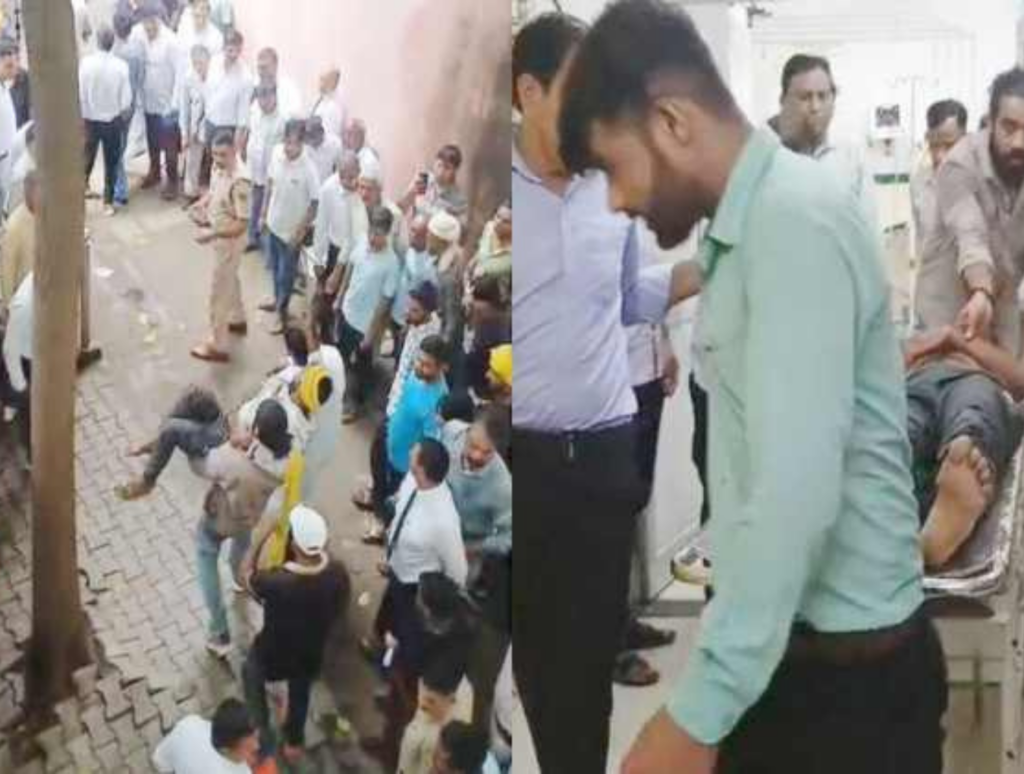
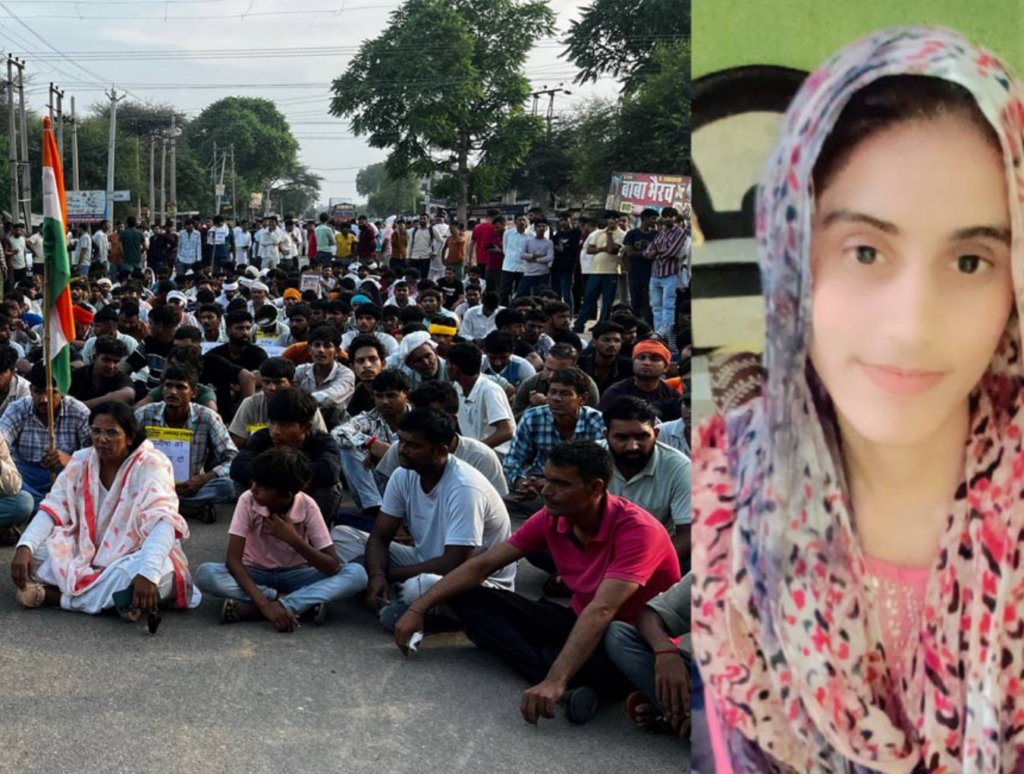
Full Details: Singhani Teacher Death Case & CBI Probe 📍 Where and when it happened ⚠️ What happened 🚨 Police version vs family claims Police angle Family & villagers’ response This disagreement triggered anger in the region. 🪧 Massive protests & unrest The protests spread across: 📵 Mobile internet shutdown Due to rising tension: Reason given: 🧪 Autopsy controversy This added to suspicion that facts were unclear. 🏛️ Case transferred to CBI Under pressure from: The Haryana Chief Minister ordered a CBI investigation. Key reasons: The case was officially handed over to the CBI in August 2025. 👮 Administrative action Reports indicate: 🕯️ Funeral and aftermath But the family continued to demand: 🧩 Why the case became highly controversial This case became a major public issue because of: 📊 Current status (as reported later) The investigation continued with demands for faster progress. 🧾 Summary The death of the 19-year-old teacher from Singhani village turned into a major law-and-order issue in Haryana. What began as a suspicious death escalated into widespread protests after the family rejected the suicide theory. The government suspended internet services to control unrest, transferred police officials, and finally handed the case to the CBI under intense public pressure.

Prime News

Air quality monitoring shortfall in Bhiwani,Haryana

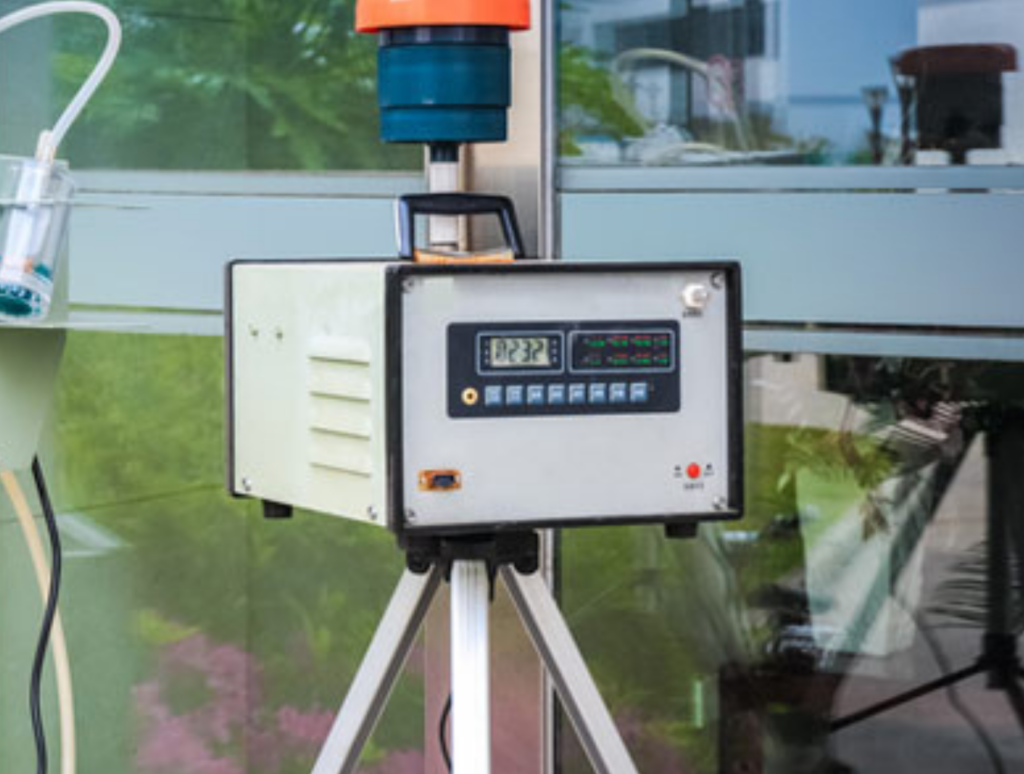
A recent assessment has highlighted a serious gap in Haryana’s air-pollution tracking system, raising concerns that districts such as Bhiwani and other growing towns are not being monitored adequately. This shortfall makes it harder for authorities to measure pollution levels accurately, identify sources, and take timely action. 1) Major shortage of monitoring stations This shortage means many districts — including smaller cities like Bhiwani — may not have enough local sensors to track real pollution conditions. 2) Weak and unreliable monitoring network Such disruptions mean air quality may appear better or worse than reality because readings come from too few sources. 3) Why more stations are needed Air-quality stations measure pollutants like PM2.5, PM10, NO₂, and ozone. Without enough of them: Authorities recommend a grid-based monitoring system — installing stations per fixed area size (for example, one per 25–50 sq km in dense regions) — to capture accurate local variations. 4) Impact on districts like Bhiwani 5) Government plans and expansion 6) Why this issue matters A weak monitoring system affects public health planning because:

Prime News

Haryana Human Rights Commission intervenes in Bhiwani

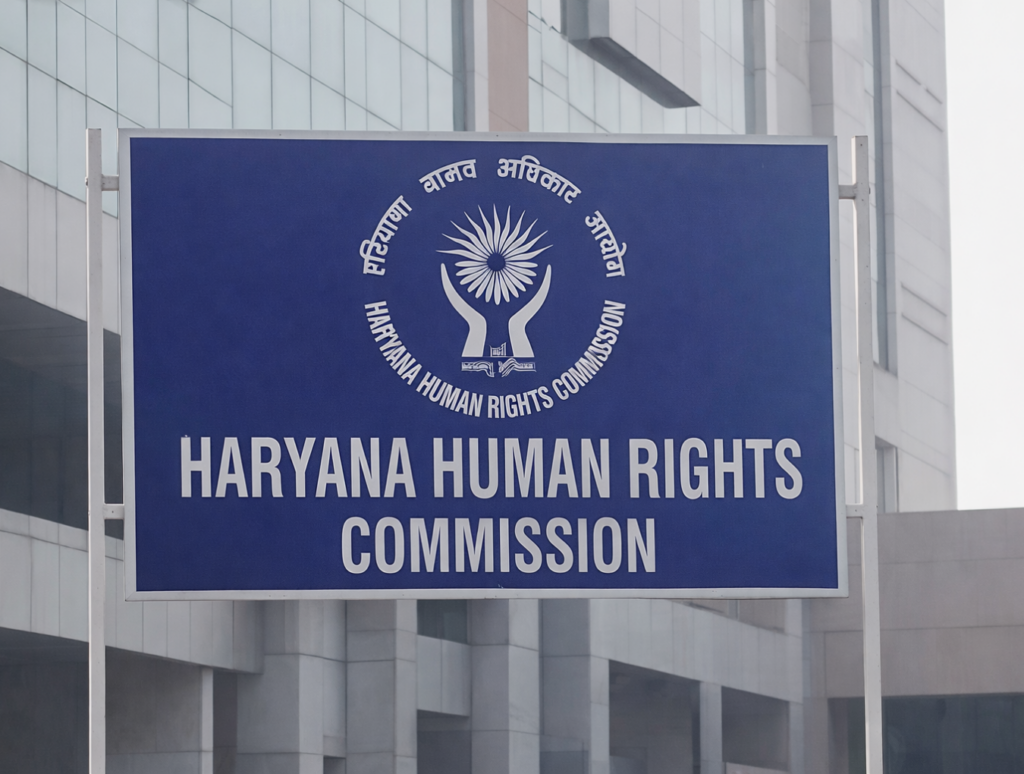
🔎 Incident Background • In the village of Sumra Kheda in Bhiwani district, an open, stagnant pond located within a densely populated area has existed for years without any proper safety measures such as fencing, boundary walls, or warning signs.• This pond filled with dirty, stagnant water had become a severe safety and health hazard — the foul smell, potential breeding ground for insects and diseases, and absence of safeguards posed ongoing risks to villagers, especially children.• Tragically, three minor children drowned in this pond on different occasions, leading to loss of young lives. Villagers have been repeatedly raising complaints and seeking action from local authorities for a long time before this intervention. 📌 Haryana Human Rights Commission (HHRC) Steps In • On 9 February 2026, the Haryana Human Rights Commission took formal cognisance of the matter, terming the unsafe conditions around the pond as a “direct assault on human dignity.”• The Commission observed that the deaths of the three children were not “mere accidents” but were the result of long‑standing administrative negligence and insensitivity — as authorities had failed to take action despite repeated complaints.• Judicial Member Kuldip Jain emphasized that the negligence amounted to a serious violation of Article 21 of the Constitution, which guarantees every citizen the right to live in a safe, clean and dignified environment.• The Commission also noted that failure to protect children’s safety — especially minors — violated the State’s constitutional duties under Articles 39(e) and 39(f) of the Directive Principles of State Policy. 📋 Commission’s Directions to Authorities To address these issues, the Commission issued directives including: 🧠 Key Points of Concern Highlighted • The unsafe condition of the pond with no barriers, warning signs, or safeguards despite repeated complaints.• The health risk from stagnant, polluted water was also viewed as a violation of villagers’ right to health and human dignity.• The Commission issued a stern warning that any delay or laxity in matters concerning human life and child safety would not be tolerated.

Listings
News
Home
Jobs
Contact